When to stay with a conventional boiler
A conventional boiler is the oldest of the three main types still fitted in the UK. It works with a cold water storage tank in the loft, a feed and expansion tank beside it, and a hot water cylinder in the airing cupboard. Hot water is fed by gravity, so pressure depends on how high the loft tank sits above your taps.
Replacing one like for like is often the sensible choice. It is the least disruptive option because the pipework stays as it is, and it is the right fit in three common situations:
- Weak mains water pressure. A combi or unvented system needs a decent supply from the street. A conventional system does not.
- Older pipework. Radiator systems that have run open vented for decades can develop leaks when switched to a sealed, pressurised system.
- Several bathrooms with modest use. Stored hot water can feed more than one tap at once, especially with a shower pump.
A like-for-like regular boiler replacement is typically priced close to a system boiler job, about £2,800 to £4,000 fitted (checked October 2026). Where the cylinder and tanks stay, expect the lower part of that range.
The parts that sit around the boiler
Because a regular boiler relies on separate parts, an honest quote looks at each one, not just the box on the wall.
| Part | What to check | Typical outcome |
|---|---|---|
| Hot water cylinder | Leaks, corrosion, insulation, how long it takes to heat | Keep if sound; replace if failing |
| Cold water tank | Plastic or steel, lid fitted, insulated | Replace rusty steel tanks |
| Feed and expansion tank | Overflow running, debris inside | Often replaced, it is a small part |
| Pump and motorised valves | Noise, sticking, age | Often replaced with the boiler |
| Programmer and thermostats | Working, easy to use | Upgrade if you want better control |
Your installer should tell you which of these they are replacing and which they are reusing. If the quote says nothing about the pump and valves, ask.
Older homes and conventional systems
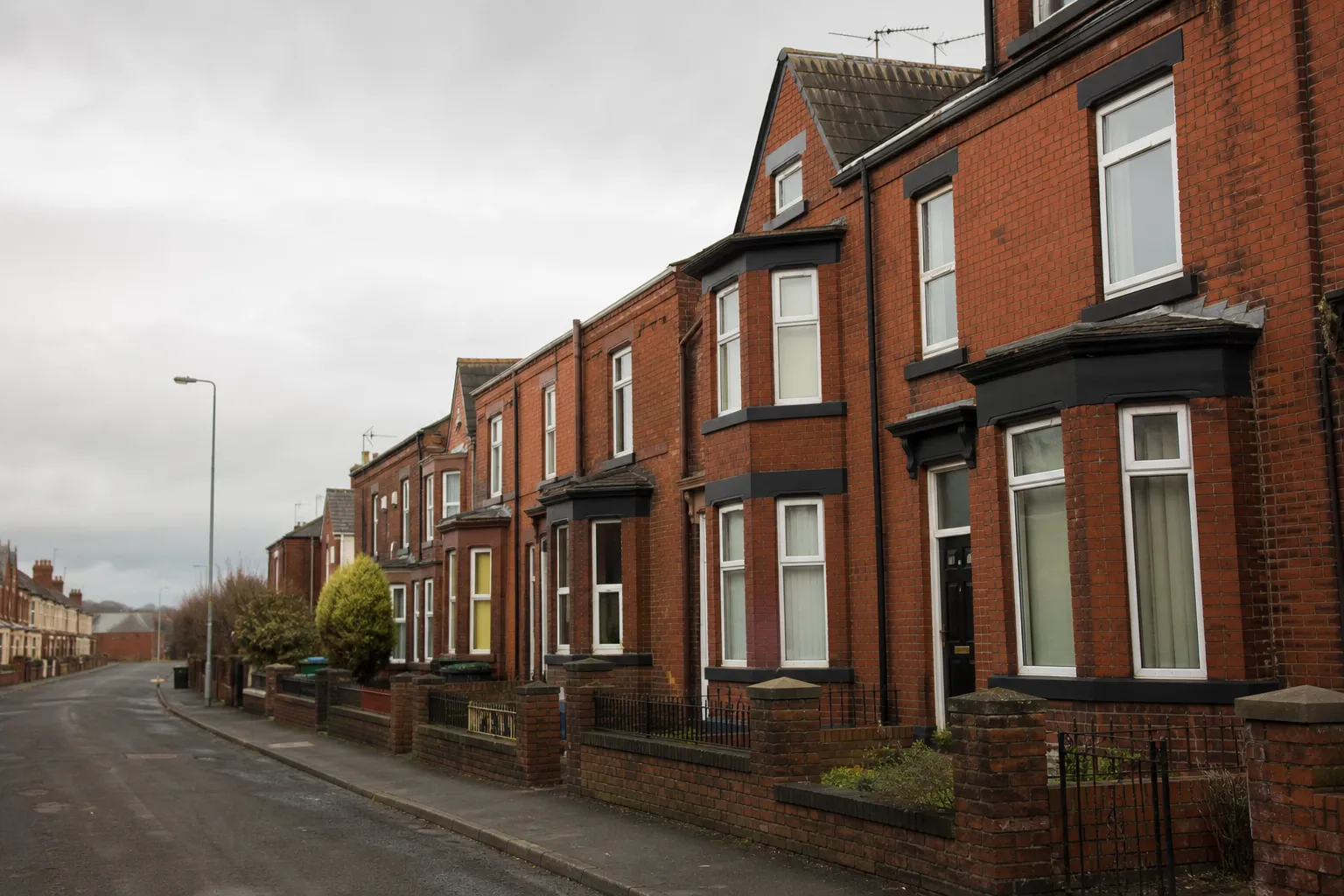
Many Victorian and Edwardian terraces and inter war semis still run conventional systems. These homes often have long pipe runs, mixed radiator sizes and some microbore pipe added over the years. Swapping the boiler without understanding that layout can lead to cold radiators upstairs or a boiler sized far too large. A good installer will ask about every radiator and check the system is balanced after commissioning.
Sizing works on heat loss for a regular boiler, the same as a system boiler. Our guide what size boiler do I need? explains how that works.
What happens on the day
- Gas, power and water are isolated, and the system is drained down.
- The old boiler is removed, and any worn pump, valves or tanks are replaced.
- The new boiler is fitted with a magnetic filter on the return pipe.
- The system is refilled from the loft tank, vented of air and checked for leaks.
- The boiler is commissioned, gas tightness tested, and the radiators balanced.
- The installer registers the boiler for Building Regulations through Gas Safe and sets up the warranty.
Most straight swaps take one day. Adding a new cylinder or tanks can push it to two.
Before you sign
A conventional system can hide sludge for years. Ask whether a system flush is included, and if not, what it would cost. A power flush typically adds £300 to £500.
Check the engineer’s Gas Safe ID card and confirm the number on the Gas Safe Register. City Boiler connects you with independent installers who are Gas Safe registered, and we check before they quote.
Other routes to consider
If your mains pressure is good and you want the space back, read about a combi conversion or a move to a system boiler. If your boiler sits behind a gas fire in the fireplace, see back boiler removal instead, as that is a different job.
Common questions
What is a conventional boiler?
A conventional boiler, also called a regular or heat only boiler, heats your radiators and a hot water cylinder. It is fed by a cold water tank and a small feed and expansion tank, usually in the loft. The pump and controls sit outside the boiler.
How much does a conventional boiler replacement cost?
A like-for-like regular boiler replacement is typically priced close to a system boiler job, about £2,800 to £4,000 fitted, checked October 2026. Keeping the existing cylinder and tanks keeps it towards the lower end.
Should I switch from a conventional boiler to a combi?
Only if a combi suits how you use hot water. With one bathroom and good mains pressure, a combi frees up space. With weak mains pressure or two bathrooms in use at once, staying conventional is often the better choice.
Do I need to replace the loft tanks?
Not if they are sound. Plastic tanks in good condition can stay. Old galvanised steel tanks that are rusting, or tanks without a proper lid and insulation, are usually worth replacing at the same time.